Through the Membrane
Overview
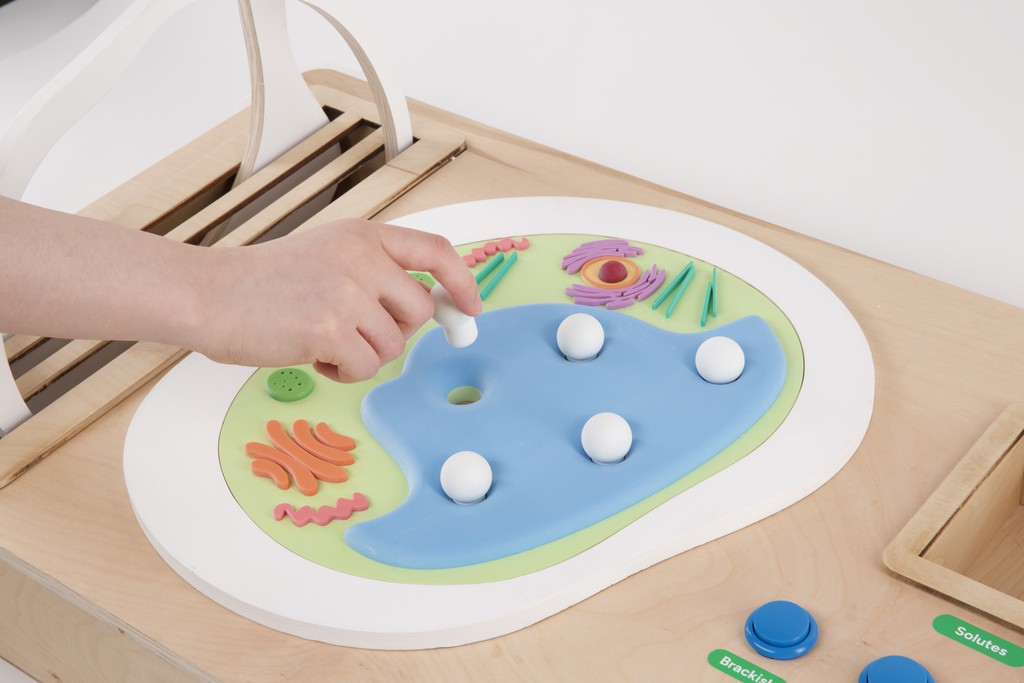
Through the Membrane is an interactive exhibit about reverse osmosis, the process that lets mangroves survive in saltwater. We took NYU researcher Dr. Adam Roddy's paper on the evolution of mangrove cells and turned a dense scientific topic into a playful learning experience.
Role
Design and Fabrication
Narrative Design
Project Management
Tech Stack
Arduino
TouchDesigner
Figma
After Effects
Hall Effect Sensors
Team
Jisoo Kim
Siddhi Mandora
Tess Solot-Kehl
Brett Peterson (Advisor)
Timeline
5 Weeks (April to May 2026)
The Challenge
Reverse osmosis is hard to picture and it happens at a scale no one can see.
The challenge was to turn a precise biological process into a simple, physical action that a child and an adult could both enjoy, while keeping the science accurate.
Design Principles

Urgent Relevance
Mangroves matter for coastal defense and climate resilience. But most people have never heard of osmosis.

Design Translation
How do you turn a cellular process into something a wide, mixed-age audience can understand, with no prior science knowledge?
Micro to Macro
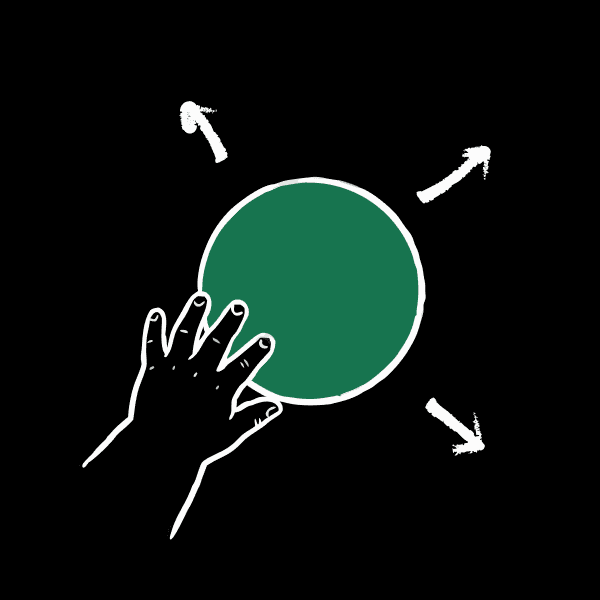
How do you scale invisible cellular biology into a physical, human-scale experience that a child can understand in under a minute?
How It Works
1. Choose your cell wall: Small, medium, or large
2. Power up the cell with all five solutes
3. Choose your environment: Freshwater, brackish, or saltwater
4. Press start and watch what happens to your cell


Press & Showcase

NYU ITP Spring Show
May 15, 2026
We presented our project at NYU ITP's Spring Show. We were able to see how people of all ages and backgrounds interact with our project.


Reflection
Leave out to clarify
The hardest part was not the electronics. It was deciding what to leave out. Every time we simplified, we risked making the science wrong.
Work with experts
Working directly with a researcher kept us honest. Dr. Roddy changed the outcomes, the terminology, and the lesson itself.
Let them find it
A good interactive does not explain the answer. It hides the answer and lets you find it. Visitors who discover the solution remember it, because they figured it out themselves.
The Process
The exhibit went through multiple iterations. With the help of Dr. Adam Roddy and American Museum of Natural History Design Director Brett Peterson and his team of UX designers, we were able to reshape the science into something meaningful.
My Role

Design and Narrative
I shaped the interaction model and the result states. I wrote and designed the instruction graphics and the on-screen narrative.

Fabrication
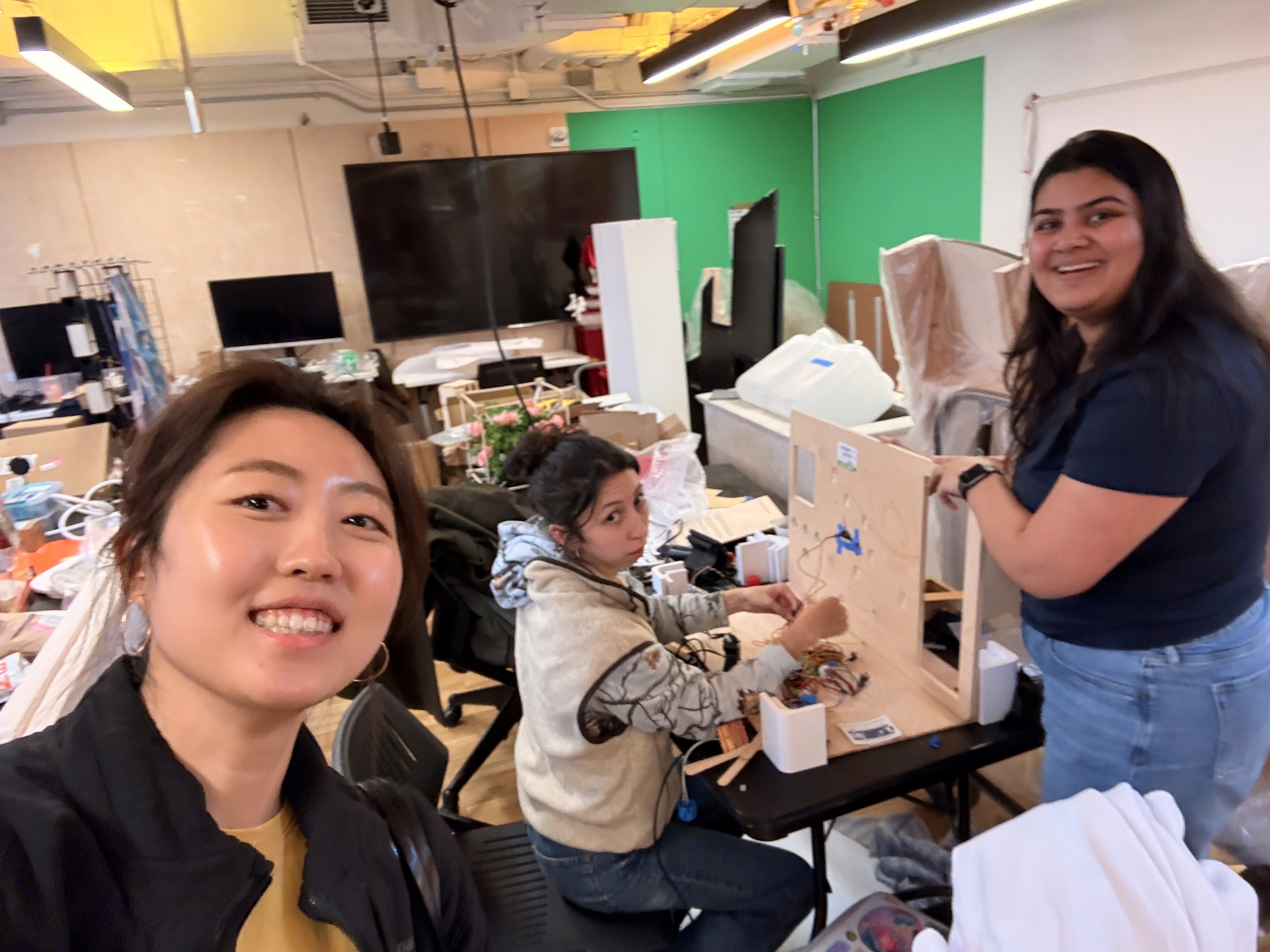
I helped build and finish the physical enclosure. Jisoo handled sensors and TouchDesigner. Siddhi led animation. Tess 3D modeled and prototyped the printed cells.
Project Management
I coordinated the team and the science review with Dr. Roddy.
Inputs (Arduino)
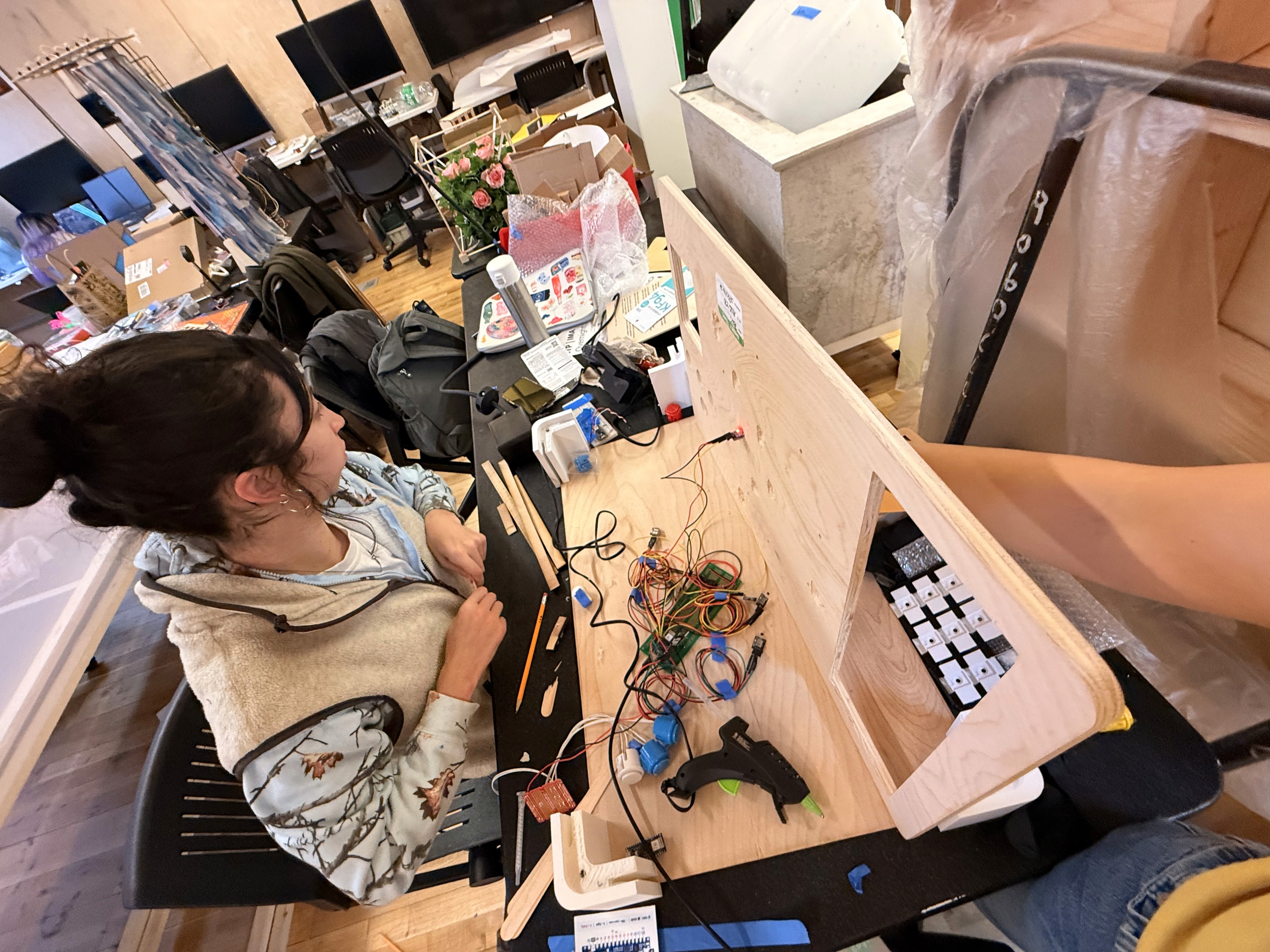
Hall effect sensors read the wall thickness and five solute slots. Arcade buttons choose freshwater, brackish, or saltwater. A start button runs the simulation.
Output (TouchDesigner)

TouchDesigner plays the result on screen and shows the cell character animation for each combination.
Related works
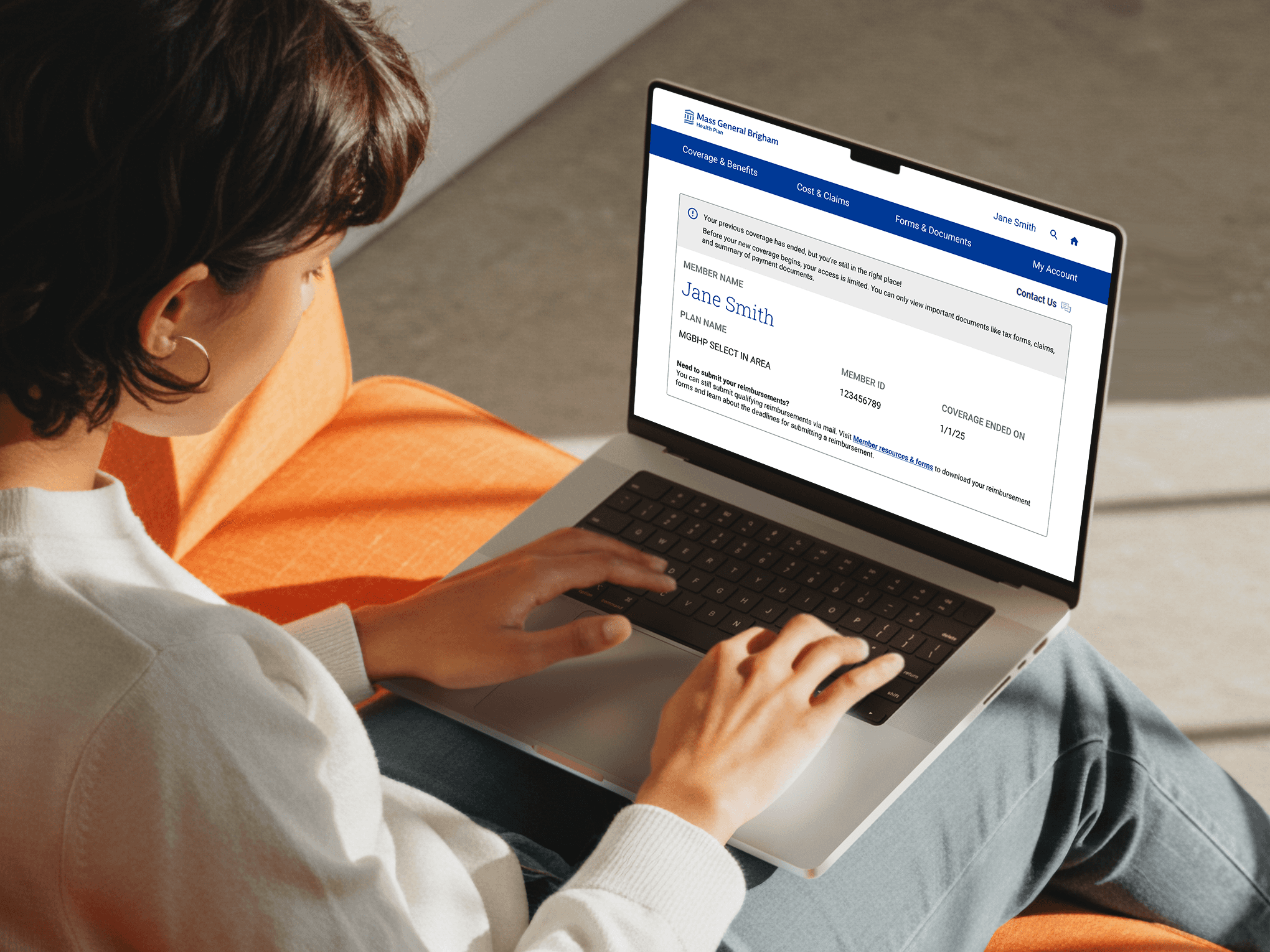
Solving Self-Service for Health Plan Members
How do you help someone find what they need in the middle of a healthcare crisis?

Dandi
How might we design for women who've been sidelined by the medical industry
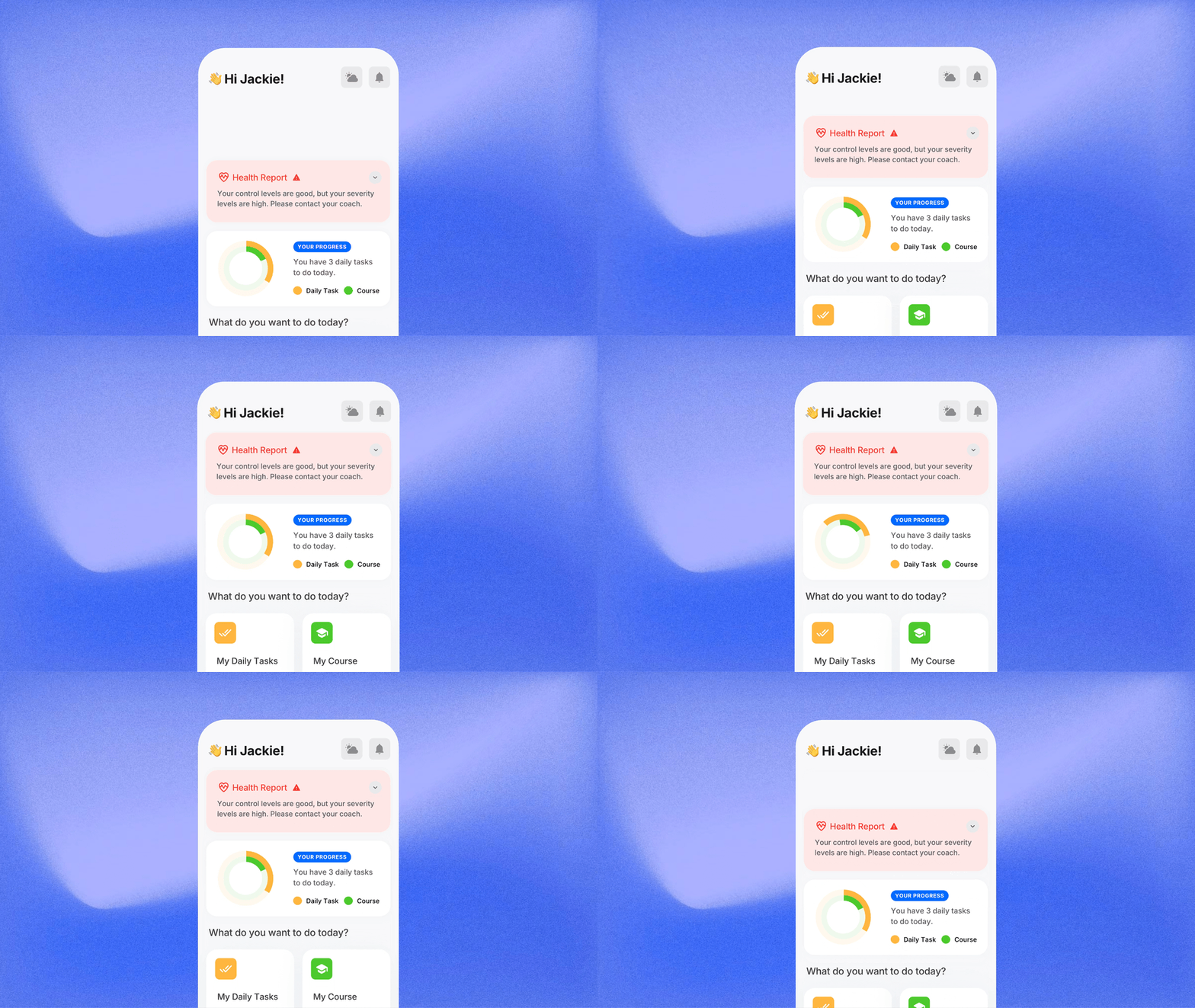
Redesigning Remote Recovery for COPD Patients
How do you keep patients committed to their care plan when the nearest clinic is miles away?

Let's Cook Up A Story
How might learning grammar feel like play, especially for children with different learning styles?